How to Prepare and Bake Ultra Thin Pizza Crusts
Preparing a delicious thin crust pizza starts with proper handling, preparation, topping application, and baking. Whether you operate a restaurant, pizzeria, café, or commercial foodservice kitchen, following a consistent preparation process helps achieve reliable results.
At Ultra Thin Pizza, our pizza crusts are designed to give foodservice operators a convenient foundation for creating a wide variety of pizzas. Follow these six steps to prepare your crusts for baking.
Step 1: Defrosting the Product
How to Defrost Ultra Thin Pizza Crusts
Remove the case from the freezer and place it under refrigeration for 24 hours. This is the recommended refrigerated defrosting method.
If the product needs to be defrosted sooner, the supplied product instructions also describe defrosting at ambient temperature. Any ambient-temperature thawing should follow the manufacturer’s applicable time and temperature guidance and your food safety procedures.
Plan ahead based on your expected service volume so crusts are available when needed.
Step 2: Separating the Crusts
How to Separate Frozen Pizza Crusts
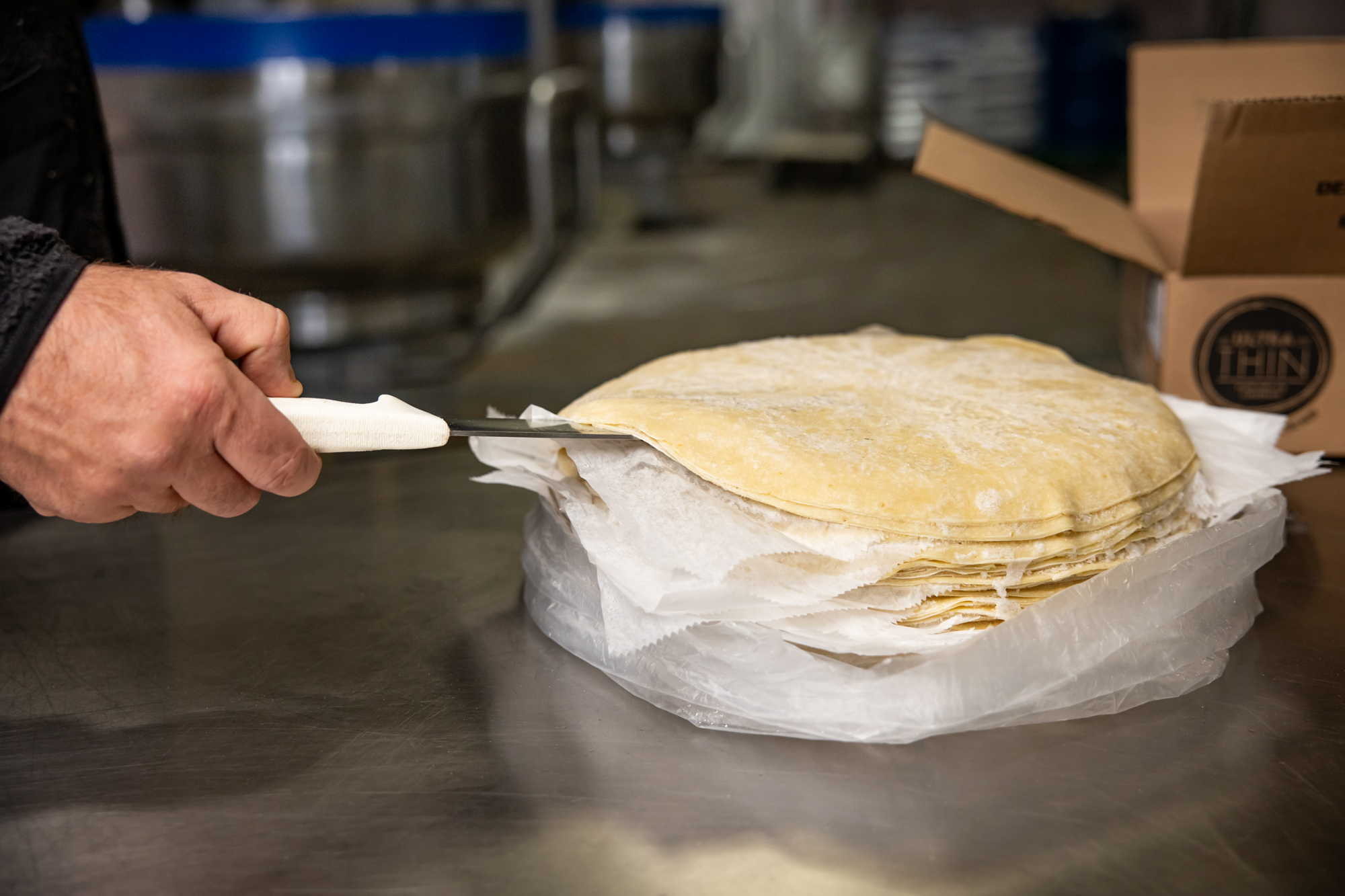
If you do not want to defrost the entire case, individual crusts can be separated while frozen.
Carefully insert a suitable separation tool, such as a spatula, between the crusts. Use the wax paper dividers to separate the desired quantity. If using a knife, exercise caution to avoid injury or damaging the product.
The original product instructions also indicate that dropping the case onto a counter can help separate crusts at the wax paper dividers. Handle the case carefully to avoid damaging the product or work surface.
Return the remaining crusts to the freezer or refrigerator as appropriate, following the product’s storage and handling requirements.
Step 3: Preparing the Crust
Prepare the Pizza Crust for Baking
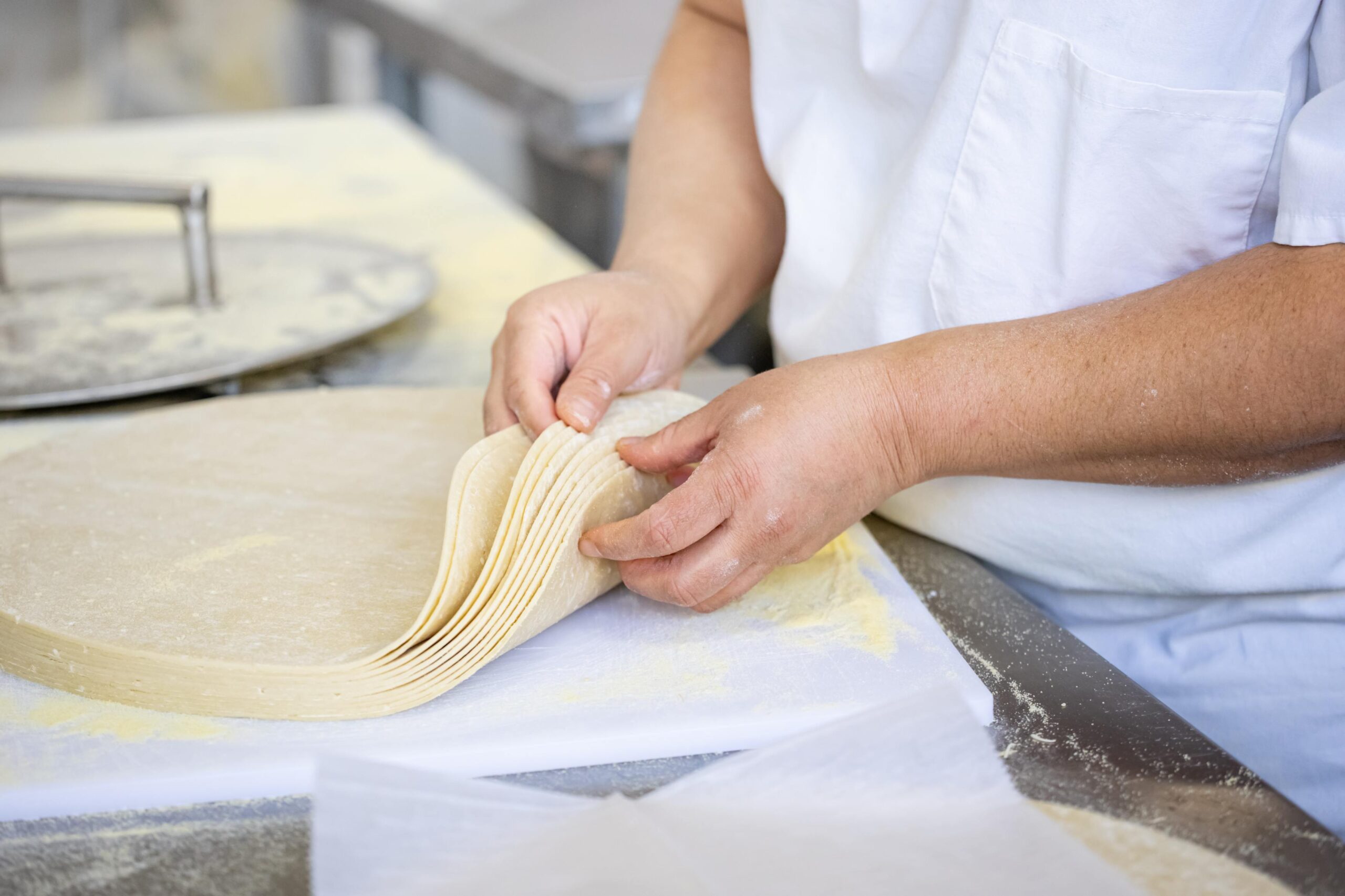
Separate an individual pizza crust from the stack and place it on a lightly dusted pizza peel or pizza screen, depending on the type of oven being used.
Position the crust on a clean preparation surface before adding sauce, cheese, and other ingredients.
A pizza peel may be appropriate for transferring a pizza to a compatible baking surface, while a pizza screen may be used with equipment and cooking procedures designed for that method.
Choose the preparation method that matches your oven and established kitchen procedures.
Step 4: Applying Sauce Evenly
How to Sauce an Ultra Thin Pizza Crust
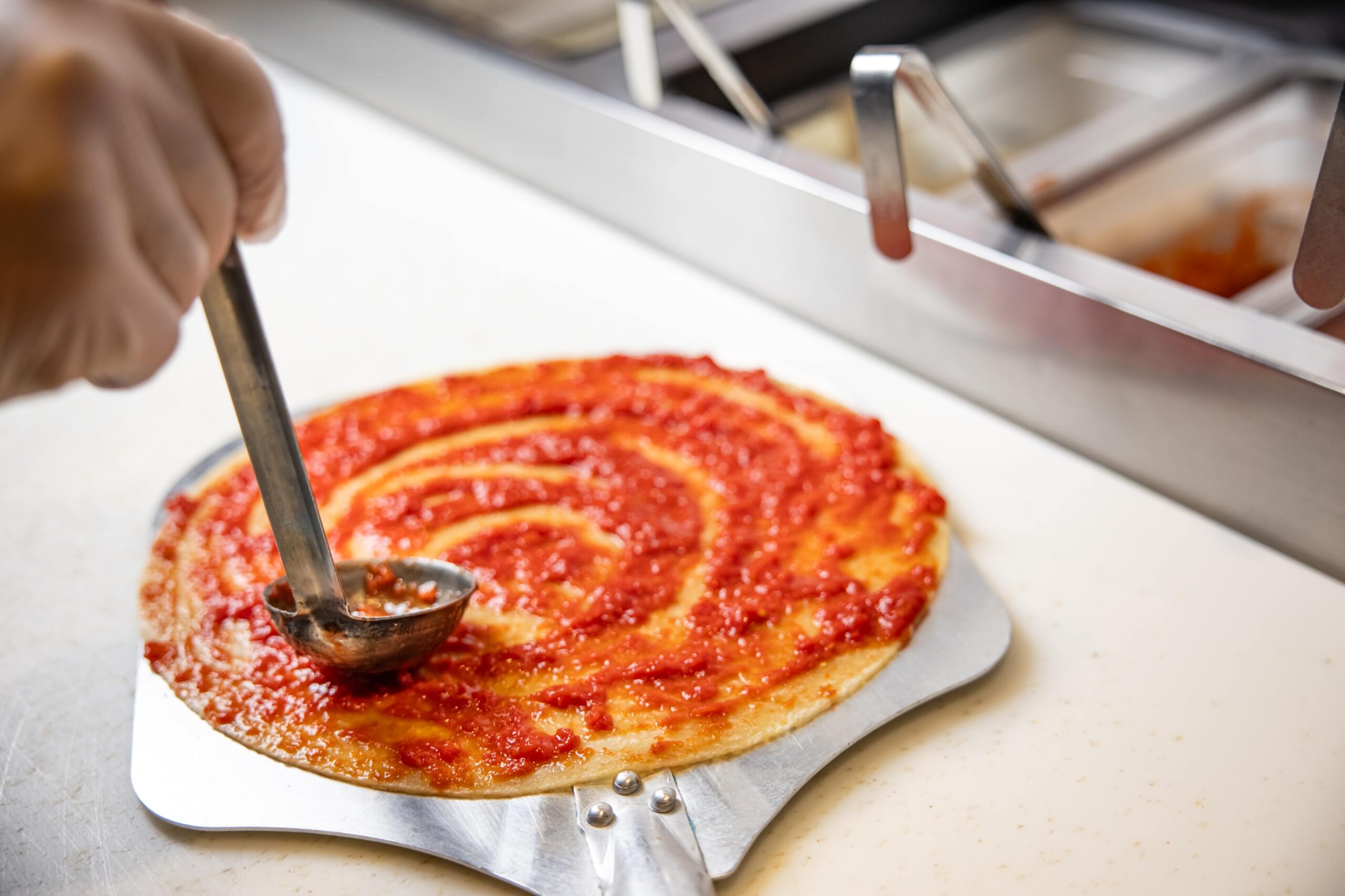
Lightly apply pizza sauce across the crust, spreading it evenly all the way to the edge.
Covering the edges helps reduce the risk of exposed crust burning and contributes to the finished appearance associated with ultra thin pizza.
Avoid applying excessive sauce, which may introduce unnecessary moisture and affect the finished crust texture.
Use the manufacturer’s recommended topping amount table for the appropriate quantity of sauce based on the crust size and product specifications.
Step 5: Adding Cheese and Toppings
How to Top an Ultra Thin Pizza
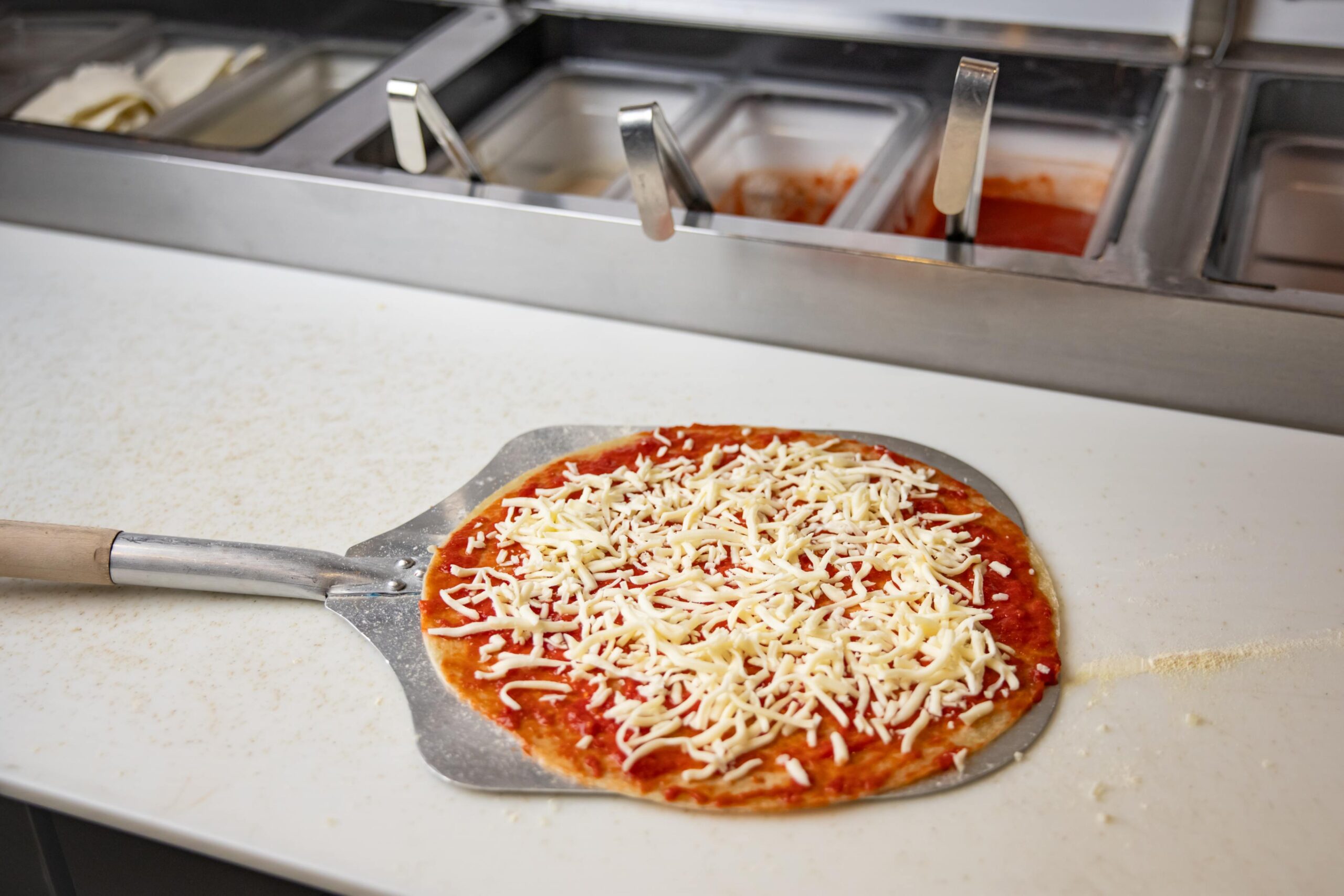
Add a light coating of shredded mozzarella cheese or the topping of your choice.
Distribute the ingredients evenly across the crust to support consistent baking and balanced flavor.
Because ultra thin pizza crusts have a relatively thin profile, excessive quantities of heavy or moisture-rich toppings may affect the finished texture.
Refer to the manufacturer’s recommended topping amount table for guidance on appropriate quantities for each crust size.
Restaurants can use this preparation method as a foundation for traditional cheese pizzas, vegetable pizzas, specialty pizzas, and other menu creations.
Step 6: Baking the Pizza
How to Bake Ultra Thin Pizza Crusts
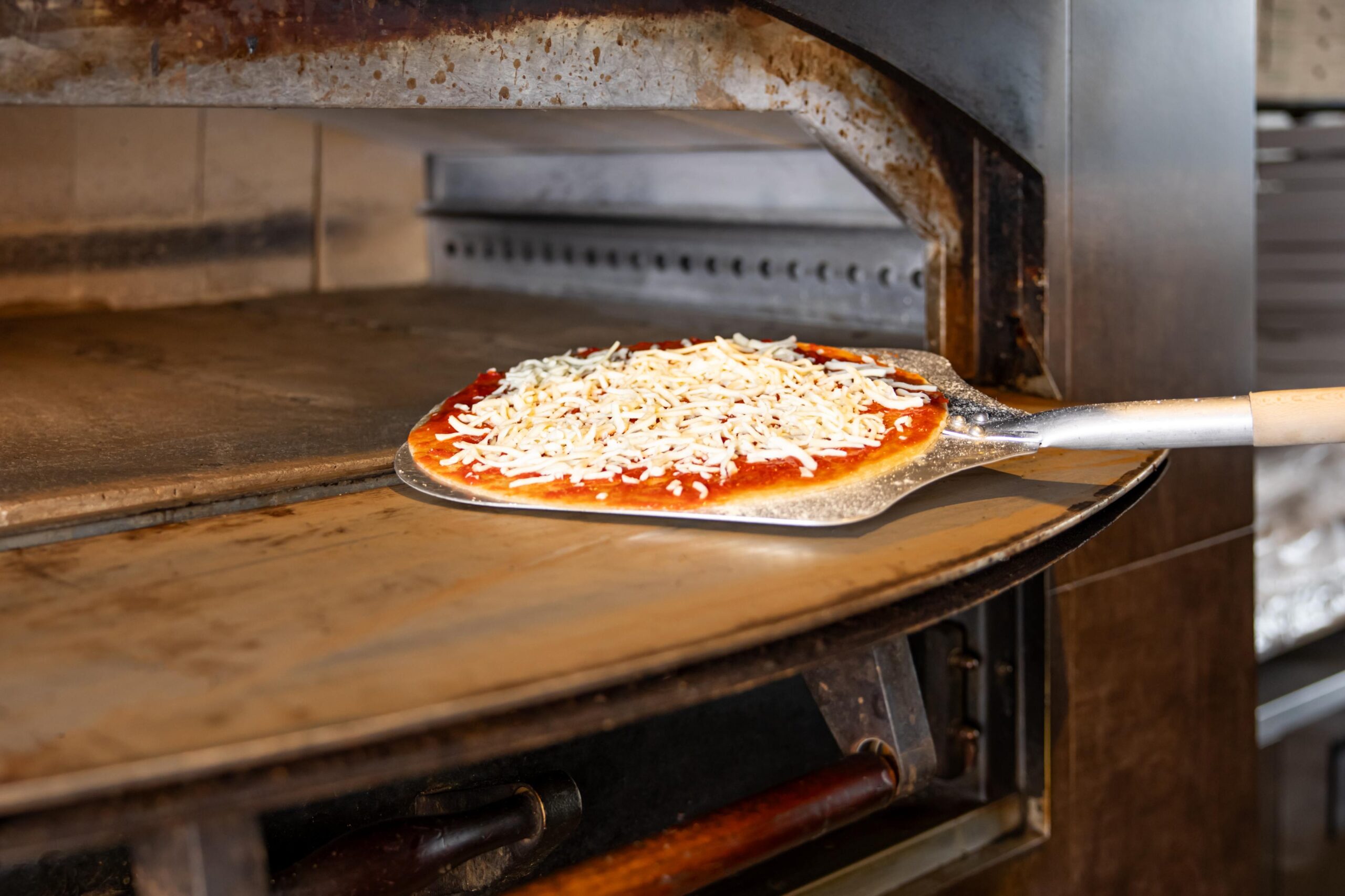
Once the pizza has been prepared with sauce, cheese, and toppings, carefully transfer it to the oven.
Bake the pizza according to the recommended instructions for the specific Ultra Thin Pizza product and oven type.
Cooking temperatures and baking times may vary depending on the crust, oven equipment, and toppings used. Always refer to the applicable product baking specifications rather than assuming that one temperature or cooking time works for every application.
Monitor the pizza during baking to achieve the intended crust texture, properly cooked toppings, and desired finished appearance. Ensure that any ingredients requiring a minimum safe cooking temperature reach that temperature.
Once baking is complete, remove the pizza using suitable oven tools, prepare it for service, and serve according to your restaurant’s procedures.
Tips for Consistent Ultra Thin Pizza Results
Consistency begins with proper product handling. Follow the recommended defrosting and storage procedures, separate crusts carefully, and use a preparation surface appropriate for your oven.
Apply sauce and toppings evenly, following the recommended quantities for your selected crust size. A light, balanced topping application helps preserve the characteristics of a thin crust pizza.
Use documented baking procedures and train kitchen employees to follow the same preparation steps. Evaluate finished pizzas for texture, appearance, and overall quality.
For commercial foodservice operators, consistent preparation can help maintain product quality across different shifts and locations.
Create More With Ultra Thin Pizza
Ultra Thin Pizza crusts and flatbreads provide a versatile foundation for restaurants, pizzerias, cafés, and foodservice operators looking to create distinctive pizza offerings.
From classic cheese pizzas to specialty menu creations, proper preparation helps you make the most of every crust.
Explore our pizza crusts, flatbreads, wholesale products, and co-packing opportunities at Ultra Thin Pizza.